Kyrgyz Embroidery Designs: A Designer's Practical Review
A Timeless Feel That Demands Respect
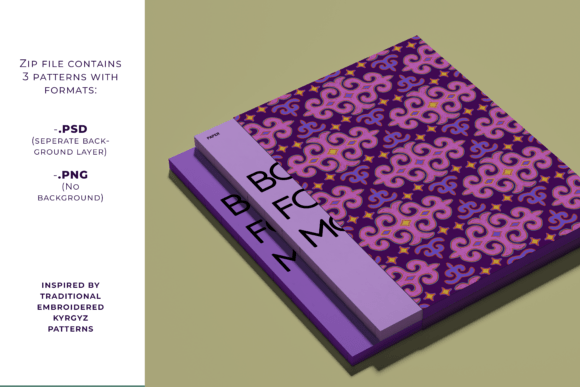
When I first opened the Kyrgyz Embroidery Inspired Patterns, I felt a sense of quiet reverence. These aren't trendy, flashy motifs. They carry the weight of a craft passed down through generations, a history stitched into every curve and line. The mood is earthy, authentic, and deeply cultural. The shapes are bold and symbolic, with layouts that feel balanced and intentional, not just decorative. The level of detail is thoughtful—complex enough to showcase the artistry, but with clean lines that suggest they'll translate beautifully into stitchwork. The visual personality is confident and storytelling. This isn't a design you slap onto anything; it's a pattern that asks you to choose a project worthy of its heritage.
The Perfect Project Match: Where These Patterns Thrive
I immediately pictured these on substantial, valued items. Think of a custom embroidered tote bag for a discerning client, or a premium sweatshirt that becomes a cherished staple. A beautifully made pillow cover for a boutique home goods line. A special apron for a cook who values craftsmanship. These patterns elevate the product. They feel like they belong on natural fibers—cotton, linen, wool. I'm thinking of holiday gifts that feel truly one-of-a-kind, or wedding presents that symbolize unity and tradition. For small shop merchandise or Etsy listings, these designs add a layer of story and value that generic patterns can't provide.
For digital product sellers, these graphics are strong assets for printable mockups, instantly conveying a handmade, artisanal vibe. Their clarity and strong themes make them excellent for branding a craft business focused on authenticity. In a client project for custom apparel, like a family reunion batch of caps, these patterns would create a powerful, cohesive look. The designs have a decorative weight that makes them ideal as a central, standalone feature on a tea towel or blanket, rather than a tiny accent.
Caution on the Canvas: Where to Use With Care
Because of their inherent detail and likely stitch density, I'd be cautious with very small hoop sizes. Trying to cram a rich Kyrgyz pattern into a tiny area on a baby item might lose the definition and make it look crowded. Textured or stretchy fabrics could distort the clean lines; proper stabilizer is non-negotiable here.
Dark fabric backgrounds will require a meticulous thread color selection to ensure the contrast pops without losing the design's soul. On curved surfaces like caps, the larger, symmetrical layouts might need careful placement to avoid distortion at the seams. While I can't see specific tiny lettering here, the overall design's integrity means you should inspect any small, intricate corners during a test run. For products destined for frequent washing, like kitchen towels, a robust stitch execution and quality threads will be key to longevity.
Thinking Like a Maker: The Impact on Your Work
Using Kyrgyz Embroidery Inspired Patterns affects everything downstream. The visual appeal is about depth and meaning, which increases perceived product value. For customer trust and engagement, these patterns signal that you, as a maker, care about source and substance. They enhance a handmade presentation with a professional, researched feel. For giftability and recognition, they create a memorable, conversation-starting item. They can help build brand consistency if your shop ethos is rooted in culture, craft, or storytelling.
My Designer Notes Before You Stitch
Always, always test the embroidery file on scrap fabric first, preferably a similar type to your final project. This is crucial to check stitch density, see how fill stitches and satin stitches behave, and spot any potential thread snags in detailed areas. Play with thread color contrast—how does it look on both light and dark fabric backgrounds? A quick black and white mockup can help you see the pure form without color bias.
Confirm the hoop size needed; don't assume. Inspect the small details on your test piece. Are they crisp? Use proper stabilizer for the fabric texture. Most importantly, before selling finished items like embroidered patches or tote bags, or using the graphics for digital product previews, confirm the licensing. Is it clear for both personal and commercial embroidery projects? Never proceed without that clarity.
A Real Scenario: From Screen to Sweatshirt
Let's walk through a real case. I'm preparing a limited-run sweatshirt for my small shop. I choose a Kyrgyz pattern that feels both protective and celebratory. On my machine, I run a test on sweatshirt scrap, adjusting stabilizer for the knit. The design holds beautifully—the fills are solid, the running stitch outlines are precise. I decide on a rich, earthy color palette for the thread colors. On the final garment, centered on the chest, the pattern isn't just decoration; it's a statement. It transforms the sweatshirt from casual apparel into a wearable art piece. I can envision the customer reaction: curiosity, appreciation, a sense of owning something unique. That's the power of a design with this kind of rooted inspiration.
In the end, Kyrgyz Embroidery Inspired Patterns are graphics that demand a thoughtful approach. They are not a quick, generic applique design. They are a design asset that, when paired with your skill and respect for the craft, can create finished products that stand out in a crowded market, resonate deeply as personalized gifts, and truly honor the tradition they echo. Your job as the designer is to match their integrity with your execution.