Lovely Hearts: A Designer's Review for Boutique Sweatshirt Embroidery
When a boutique brand approached me to create a premium, limited-edition sweatshirt collection, they wanted something that felt both seasonal and timeless. The Lovely Hearts machine embroidery design immediately stood out as a candidate. From a professional embroidery designer’s perspective, reviewing a design for real commercial apparel use is about peering beyond the digital preview and imagining the finished product—its texture, its presence on fabric, and its contribution to the brand's identity.
First Impression: Mood, Layout, and Detail
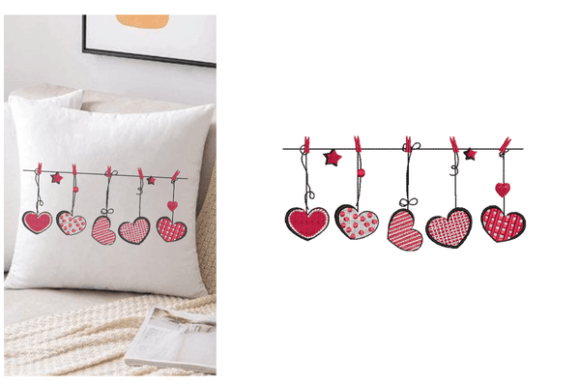
The initial impression of Lovely Hearts is one of delicate decoration rather than bold statement. The description hints at intricate patterns and fine details, which suggests a design with a feminine and playful personality, leaning more towards cute and decorative than minimal or rustic. For a Valentine's Day theme, this is appropriate, but the true test is whether it transcends the seasonal label. A well-crafted heart design can speak of warmth and affection year-round, especially on cozy apparel.
Thinking about layout, I envision how these intricate hearts would be arranged. Are they a scattered cluster? A graceful line? This arrangement will directly impact where it feels most natural on a sweatshirt—a central focal point for the chest, a subtle accent on the sleeve, or a larger statement on the back. The stitching personality will be key: satin stitches for a smooth, shiny look, or perhaps a mix of fill and running stitches for a more textured, handmade feel.
Application on Boutique Sweatshirts: From Mockup to Merchandise
For this small shop product, we’re considering high-quality, neutral-toned sweatshirts, dark fabric like charcoal grey, soft pastels, and oversized hoodies. Lovely Hearts needs to adapt beautifully to each.
Thread Color Contrast and Fabric Play
On a light, neutral sweatshirt, classic red or pink threads would create a strong, bold contrast, making the design pop in lifestyle product photography. On dark fabric, however, we might opt for metallic silver, a soft cream, or even a muted burgundy to maintain readability while feeling premium and sophisticated. For pastel sweatshirts, the thread color choice becomes an exercise in harmony—perhaps a slightly deeper shade of the sweatshirt’s own color for a tonal, elegant effect.
The fabric texture of a premium sweatshirt—its lofty fleece or brushed back—will interact with the embroidery. A design with high stitch density might feel overly stiff on such a soft base, while one with lighter density will integrate more seamlessly, preserving the garment's cozy integrity. This is a crucial point for customer comfort and perceived value.
Placement and Branding Potential
For hoodie design, a single Lovely Hearts motif placed left of the chest is a classic, casual choice for boutique merchandise. A larger, more intricate version centered on the back could transform an oversized hoodie into a standout piece. As a sleeve accent, smaller hearts could add a delightful, unexpected detail that enhances the handmade presentation. Each placement serves a different customer and style, giving the boutique flexibility for their collection.
In terms of custom apparel branding, this design isn’t a logo, but it can become a visual signature for the brand’s seasonal line. Consistent use across product photography and Etsy listings builds visual recognition and tells a cohesive story about the brand’s attention to detail.
The Practical Designer’s Checklist for Production
Before moving to production with any digital embroidery file, a review must address practical hurdles. Lovely Hearts sounds exquisite, but we must ensure it’s robust enough for commercial embroidery on apparel.
- Stitch Density: High density can cause puckering on knit fabrics like sweatshirt material and may require specific stabilizer choices. A less dense design is often more durable and comfortable.
- Small-Size Readability: If the boutique wants a smaller version for sleeve accents, the intricate details must remain clear. Overly tiny, complex elements can blur into a solid shape.
- Hoop Placement and Stabilizer: Large sweatshirts, especially oversized ones, require careful hooping to avoid distortion. The choice of cutaway or tearaway stabilizer will be dictated by the design’s density and the sweatshirt’s fabric weight.
- Washing Durability: Boutique apparel needs to last. The design’s construction should have secure underpinning and appropriate stitch types to withstand washing without fraying.
The description doesn’t provide specific hoop size requirements or exact stitch counts. It is essential for the brand and myself, as the digitizer, to check those details in the actual embroidery file before proceeding. This step prevents production surprises and ensures the design feels strong enough for the intended use.
Elevating Product Value and Buyer Trust
Ultimately, the success of Lovely Hearts on this sweatshirt collection hinges on how it elevates the product. A clean, well-executed embroidery with fine details instantly raises the perceived value. It signals to customers that this is not just a decorated sweatshirt, but a handmade product with exceptional quality.
This attention to detail fosters buyer trust. When a customer sees neat, intricate stitching that holds up over time, their positive experience translates into brand loyalty and engagement. For the small shop owner, using design assets like Lovely Hearts—and executing them professionally—is a direct investment in their brand identity. It moves the product from generic to special, from mass-market to boutique.
In the end, Lovely Hearts, with its promise of intricate craftsmanship, has the potential to be more than just a Valentine's Day motif. On a premium sweatshirt, it can become a symbol of the care embedded in the garment itself—a lovely, heartfelt detail that resonates long after the season ends.