Modern Yoga Cross Stitch Patterns: A Craft Fair Designer Review
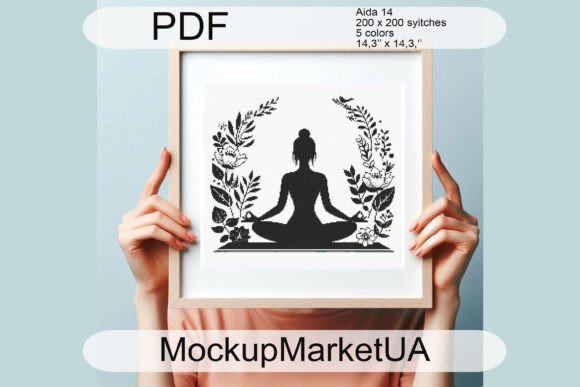
As an embroidery designer preparing for a weekend craft fair, I'm always judging new designs with a practical eye: will it sell, will it look good on my table, and is it easy to produce? When I evaluate the Modern Yoga Cross Stitch Patterns PDF, I see a product with a clear niche and considerable potential. The "modern" and "cozy" cues from its description suggest a design that leans towards a soft, minimal aesthetic. This isn't a loud, rustic, or farmhouse pattern; it feels decorative and premium, targeting a specific customer who appreciates mindfulness, wellness, and clean lines.
First Impressions and Booth Appeal
The title immediately tells me this is a monohrome cross stitch pattern. That's a huge plus for craft fair production. Single-color designs are faster to stitch, require less thread management, and are easier to batch produce for a booth. The "modern yoga" theme is currently strong in the handmade market, appealing to customers looking for gifts that feel personal, calming, and stylish. On a crowded craft fair table, a cohesive line of products carrying this theme can create a dedicated mini-section that draws a specific crowd.
Where This Pattern Stands Out on Products
My mental checklist for the craft fair table includes tote bags, aprons, tea towels, patches, caps, pouches, and pillow covers. For the Modern Yoga Cross Stitch Patterns PDF, I would focus on items that enhance the "cozy" and decorative feel.
- Tote Bags & Market Bags: A yoga-themed design on a canvas tote instantly elevates it from a simple bag to a statement accessory. It suggests a lifestyle, which increases perceived value.
- Pillow Covers: This is a prime candidate. A minimalist yoga motif on a linen or cotton pillow cover fits the modern, cozy description perfectly and can be priced as a higher-value item.
- Tea Towels & Aprons: Kitchen textiles with a decorative, non-food-related design like this attract buyers looking for something uniquely elegant for their home. It avoids the typical "farmhouse" look.
- Fabric Pouches & Giftable Items: Small, stitched pouches make excellent quick, lower-price-point gifts. The design would work well as a focal point on a small surface.
- Embroidered Patches: Depending on the detail level, a yoga motif patch could be popular for jackets or bags, but I'd need to test clarity at a smaller size.
I would likely avoid caps for this specific pattern. Curved surfaces and the potential for small, intricate details in a yoga pose could lose clarity, and the "cozy" mood doesn't align perfectly with most cap aesthetics.
Practical Production & Selling Points
Turning a digital embroidery file into physical craft fair products requires a hard look at production logistics.
Design Clarity and Batch Production
A monohrome pattern is inherently easier to understand at a glance, both for me as the maker and for the customer at the booth. This clarity translates to strong photographs for Etsy listings or other online shops. The design should photograph well against both light and dark fabrics, but I would always test on scrap fabric first to check thread contrast. For batch production, repeating the same motif across multiple tote bags or towels is far more efficient when color changes aren't involved. The "instant download" nature means I can acquire the digital embroidery file and start sampling immediately, which is crucial for fair preparation timelines.
Critical Considerations for Execution
Before committing to a full production run, my designer notes would include:
- Create at least one real physical mockup. A printable mockup is helpful, but the feel of the stitches on the final fabric—like a textured towel or smooth pillow cover—is what truly sells.
- Check for dense stitch areas or tiny details. Yoga poses might have fine lines for arms or legs. These need to be clear on the chosen fabric and at the intended size. I would review spacing and confirm a suitable hoop size.
- Inspect stitch density. A very dense design might be beautiful but time-consuming for craft fair batch work. A moderate density is ideal.
- Use the right stabilizer for the product, especially for items like tote bags that need structure.
- Compare fabric colors. A monochrome design often pops best on neutral grounds—linen, cream cotton, light gray canvas.
- Crucially, confirm the commercial licensing terms before selling any finished products. The description mentions "Celebration" and "Commercial," but I must verify the specific license included in the Modern Yoga Cross Stitch Patterns PDF to ensure my craft fair sales are compliant.
Impact on Customer Attention and Product Value
This pattern directly affects several key sales factors. Its modern, thematic nature creates strong brand consistency if I offer multiple yoga-themed items. This makes my booth display more professional and focused. For customer attention, a recognizable and trendy theme like yoga can stop a browsing customer who identifies with it. It engages through personal relevance.
The perceived handmade quality is high because cross stitch is visibly artisan. On a premium product like a linen pillow, the combination of a desirable theme and skilled execution allows for a stronger price point. The pattern's decorative, non-verbal nature (assuming it's imagery-based) also has broad appeal, avoiding language barriers at a diverse fair.
Final Designer Advice for Craft Fair Sellers
For fellow Etsy sellers, boutique makers, and creative entrepreneurs, the Modern Yoga Cross Stitch Patterns PDF represents a solid, market-ready design asset. Its greatest strength is its targeted, contemporary theme combined with the production-friendly single-color format. To maximize its potential:
- Prioritize products where the "cozy" and decorative aspect shines: home textiles and lifestyle accessories.
- Ensure your online listings and booth samples use high-quality photos that capture the clean, minimal stitch work.
- Display it alongside complementary items—perhaps meditation-related products or other wellness-themed goods—to create a cohesive collection that boosts overall booth display strength and buyer engagement.
Always move from the digital file to a physical sample as your first step. That real-world test on your chosen craft fair product is the only way to truly judge stitch clarity, fabric compatibility, and ultimately, its selling power on the table.