Evaluating Pink Rose Flowers for Embroidery Projects
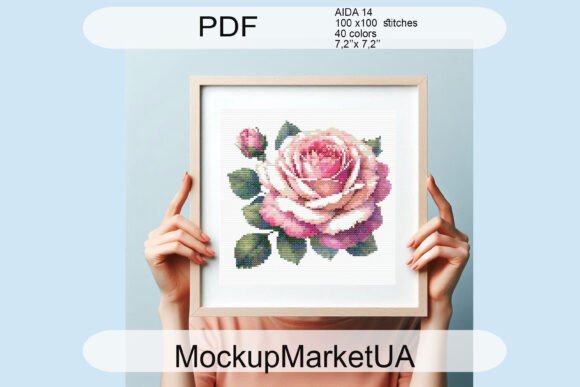
When a new embroidery design lands in my files, my first step isn’t to download it and run it through my machine. It’s to look at it as a professional designer, thinking through how it will translate from pixels to stitches, from a graphic on a screen to a tangible product on fabric. That’s the lens I used for the Pink Rose Flowers Embroidery Patterns. This isn't a generic review; it’s a practical design judgment based on what you, as a fellow crafter or entrepreneur, need to know before committing thread, time, and fabric.
The Immediate Mood and Visual Personality
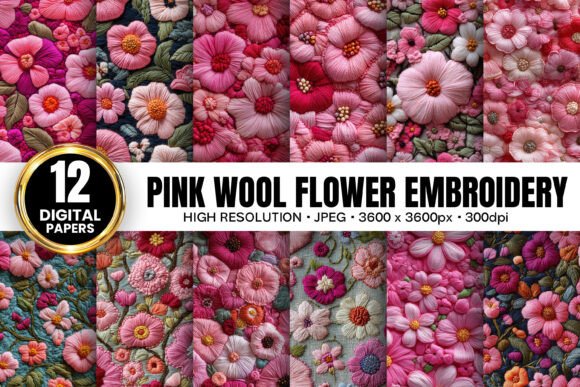
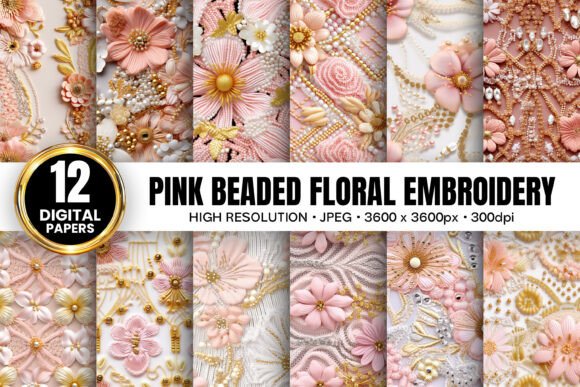
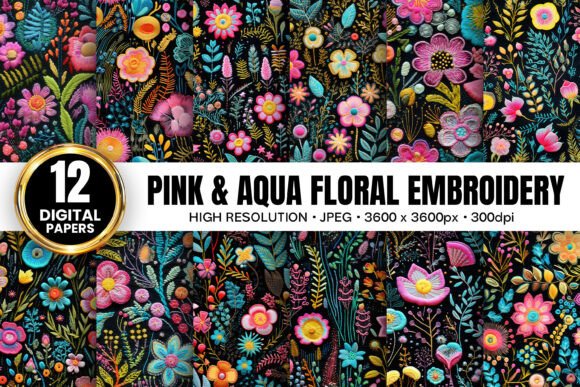
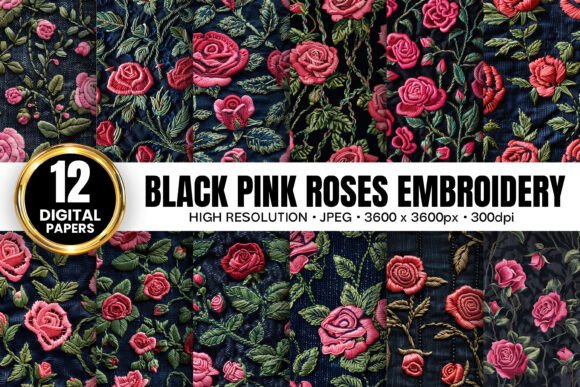
Opening the set of twelve high-resolution seamless patterns, the first impression is one of soft, classic elegance. The theme of pink roses carries an inherent warmth and familiarity, a visual shorthand for romance, gentleness, and a touch of vintage charm. The seamless aspect is a significant practical benefit—it suggests these patterns can be used as repeating backgrounds or expansive fills, not just isolated motifs. The detail level appears balanced: not overly simplistic, yet not so intricate that it would become a muddled mess of stitches on, say, a textured canvas tote bag. The layout feels versatile. This isn’t a design screaming to be a centerpiece on a formal jacket; its personality leans more toward decorative, everyday beauty. It naturally belongs to projects like personalized kitchen towels, boutique-style pillow covers, or the front panel of a cozy baby blanket.
Real-Life Embroidery Scenarios: Where It Shines
Let's picture a real case. I’m preparing a custom embroidered tote bag for a client’s small shop merchandise. I want something recognizable, attractive, and that elevates the perceived value of the bag from a simple carry-all to a handmade product. A Pink Rose Flowers pattern, scaled appropriately and perhaps combined with a simple satin stitch border, would achieve that. The floral motif is universally appealing, likely engaging buyers quickly.
For custom apparel like sweatshirts or t-shirts, these patterns could work beautifully as a large, all-over chest design or a smaller decorative accent on a sleeve. The high-resolution source files at 300 DPI mean you can scale them with confidence for large areas without pixelation, which is crucial for professionalism in finished products. For baby clothes or nursery decor, the soft pink tones and floral theme are a natural fit, adding a handmade presentation without being overpowering.
As an Etsy seller creating holiday gifts or wedding gifts, such patterns offer consistency. You could use variations across a product line—aprons, tea towels, and simple patches—creating brand cohesion. For digital product sellers, these JPG files serve as excellent assets for printable mockups or digital previews to showcase your embroidery services.
The seamless nature also opens doors for commercial embroidery projects on items like boutique bedding or larger blankets, where a continuous, repeating pattern is desired.
Practical Considerations and Where to Use Care
This optimism needs grounding in reality. Every design has its ideal applications and its tricky ones. For Pink Rose Flowers Embroidery Patterns, consider these points carefully.
On small hoop sizes, especially if you're trying to capture fine details within a small rose, stitch clarity could become an issue. Always test on scrap fabric first to see if the smallest elements translate well into clean running stitches or fills.
Textured or stretchy fabrics, like some sweatshirt materials, may require more attention to stabilizer choice to keep the pattern’s shape crisp after stitching and washing. On dark fabric backgrounds, thread color contrast is paramount. You’ll need to select thread colors that pop against the dark ground, not just rely on the pink hues from the digital file.
Curved surfaces like caps can be challenging for larger, seamless patterns; they might need to be adapted or used in a segmented way. For products destined for frequent washing, like kitchen towels or baby items, reviewing stitch density is key. Too dense an area of fill stitch on thin fabric might affect durability.
Designer Notes for Your Workflow
Before you run this machine embroidery design for a client project or your craft business, integrate these steps into your process.
- Always, always test the embroidery file on a scrap of your intended project fabric. This is the single most important step.
- Check thread color contrast not just on-screen, but with physical thread spools against your fabric.
- Review the stitch density in your embroidery software if you’re converting the pattern; adjust for thin or stretchy materials.
- Confirm the physical hoop size needed for your desired final output scale.
- Inspect the small details in a black and white mockup to see if the structure holds without color.
- Compare how it looks conceptually on both light and dark fabric backgrounds to plan your thread palette.
- Use the proper stabilizer for your fabric texture—don’t skip this for the sake of speed.
- Most crucially, confirm the licensing terms of these graphics before selling finished items or digital products derived from them. The product description doesn’t specify commercial use, so you must verify this.
The Impact on Your Product and Business
Using a well-executed design like this affects more than just the stitch quality. It influences customer trust. A clean, attractive embroidered rose on a tote bag signals care and skill, boosting the handmade presentation. For small shop product lines, it aids in brand consistency if used thoughtfully across items. As a personalized gift, it increases giftability—it feels special and considered.
For the embroidery designer or creative entrepreneur, it saves time. Having a set of twelve seamless patterns means you have a library of related assets for different projects without searching for new, matching themes. This efficiency translates directly to professionalism and can increase buyer engagement through cohesive, attractive listings.
Final Thoughts Before You Stitch
The Pink Rose Flowers Embroidery Patterns present a solid, versatile starting point for a wide range of projects. Their strength lies in their mood and seamless versatility, not in being a hyper-detailed, technical challenge. They are graphics that feel destined for pleasant, everyday items rather than formal wear. Your success with them will hinge entirely on your practical prep work: testing, adjusting for your specific fabric and product, and ensuring your technical setup honors the design’s clarity. Approach them with that designer’s eye—thinking first about the final product on the shelf, in the gift box, or on the customer’s back—and you’ll likely find they become a reliable, appealing part of your embroidery project toolkit.