Evaluating Easter Egg Cross Stitch Patterns for Real Projects
When a new embroidery design lands in my library, I look at it not just as a graphic, but as a future project. The Easter Egg Cross Stitch Patterns PDF arrived with a promise of festivity, and my first job is to see if that promise holds up under the needle. This isn’t about a product description; it’s about practical design judgment. Let’s walk through what this design feels like and where it truly shines—or might need a little extra care—in the hands of makers and small businesses.
The First Impression: Festive Charm with a Practical Layout
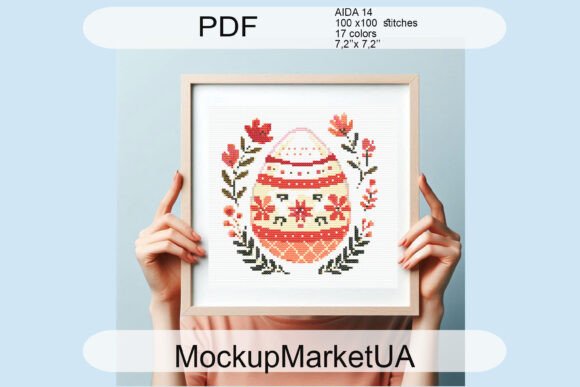
Opening this embroidery file, the mood is immediately celebratory. The classic egg shape is central, but the arrangement of decorative elements suggests a thoughtful layout. It feels like a design meant to be a focal point, not just a tiny accent. The detail level is balanced—there’s enough visual interest to make stitching enjoyable without being so dense that it becomes a marathon project. This visual personality leans towards cheerful tradition, which is perfect for holiday embroidery and seasonal products. It naturally belongs on items where you want that festive spark: a pillow cover for the spring season, a special kitchen towel, or as a gift-ready centerpiece on a tote bag.
Where This Design Performs Brilliantly
In real-life embroidery project situations, this pattern has clear sweet spots. I’m thinking through a scenario: preparing a custom embroidered tote bag for a small boutique. The design’s defined borders and central motif would stitch out with excellent clarity on a stable canvas bag. It would translate beautifully into a finished product that feels handmade yet professional.
For craft business owners, especially Etsy sellers focusing on seasonal offerings, this pattern is a strong candidate. It would work wonderfully on:
- Pillow covers and blankets for nursery or home decor.
- Tea towels and aprons as functional holiday gifts.
- Baby clothes like a commemorative Easter bib or sweater.
- As a standalone embroidered patch that could be applied to various items.
- Simple, framed hoop art for craft fair products.
The design’s visual appeal directly impacts product value and customer trust. A clean, well-proportioned stitchout suggests care and skill, elevating the handmade presentation. For personalized gifts, adding a name or date around this motif could make it truly special. In commercial embroidery contexts, such a recognizable holiday theme aids in quick buyer engagement—customers know exactly what sentiment it conveys.
Considerations for Successful Stitching
No design is universally perfect for every substrate. With this Easter egg cross stitch pattern, there are places where I’d advise a bit of caution. The success of any machine embroidery design depends on adapting it to its environment.
Careful planning is needed for:
- Small hoop sizes. If the design is scaled down significantly, some of the finer decorative accents might lose definition. Always check the recommended hoop size if provided, or test a scaled version on scrap fabric first.
- Textured fabrics or very thin fabric. A design with areas of potential stitch density might pucker on lightweight materials without the correct stabilizer.
- Dark fabric backgrounds. The festive, often lighter colors suggested by the pattern will require thoughtful thread color contrast to pop. Testing on both light and dark scraps is a must.
- Curved surfaces like caps. The symmetrical egg shape might need slight digitizing adjustments to sit perfectly on a curved baseball cap seam.
- Products that need frequent washing, like baby items. Ensuring stitches are secure and using quality thread becomes paramount.
A Designer’s Practical Notes Before You Stitch
Before I’d run this pattern for a client project or my own small shop product, here’s my checklist:
- Always test the design on scrap fabric first. Use the same material and weight as your final project.
- Check thread color contrast against your final fabric. Create a simple black and white mockup to judge value contrast if you’re unsure.
- Review stitch density by looking at the stitched sample. Are there areas that feel too thick? They might require adjustments for delicate fabrics.
- Inspect small details in the test stitchout. Are all lines and accents clear?
- Use proper stabilizer. For a design meant to be clean and festive, a puckered finish is the enemy.
- Most critically, confirm licensing before selling finished items or using the file as a digital product asset. The product description mentions instant download, but it’s your responsibility to understand the terms for commercial embroidery use.
Since specific details like exact stitch count, file formats, or explicit license terms aren’t provided in the description here, my final advice is to acquire those details directly from the source before proceeding with commercial work.
The Final Verdict for Makers and Entrepreneurs
The Easter Egg Cross Stitch Patterns PDF presents a solid, festive design with strong application potential for holiday-focused makers. Its traditional theme and balanced layout make it a reliable choice for enhancing brand consistency for a seasonal shop line. It feels giftable and recognizable.
For the embroidery designer or creative entrepreneur, its value lies in its versatility across home decor, apparel, and personalized items. It won’t be the right fit for every single project—particularly those on very small or stretchy bases—but where it fits, it will stitch out with a charm that customers for holiday embroidery are actively seeking. Approach it with practical testing and a clear understanding of its license, and it can become a profitable and enjoyable part of your spring craft business repertoire.