Craft Fair Gold: Reviewing Hollyberry Denim Embroidery Patterns
A Designer's First Impression: Rustic Charm Meets Bold Graphics
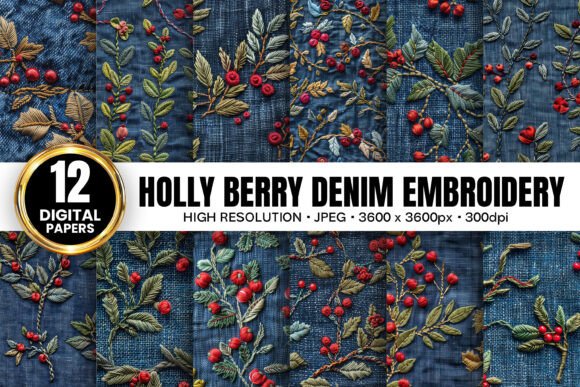
The name Hollyberry Denim Embroidery Patterns immediately conjures an image of sturdy, vintage-inspired charm. As an embroidery designer prepping for a busy market weekend, my first thought is that this collection leans toward a rustic, farmhouse aesthetic with a touch of bold, decorative flair. The promise of high-resolution, seamless patterns suggests a versatile graphic base perfect for creating a cohesive line of products. This isn't minimalist or overly cute; it feels substantial and premium, which is exactly what catches a customer's eye at a bustling craft fair booth.
Where These Patterns Stand Out on the Sales Table
Imagine your display: tote bags, aprons, tea towels, caps, and pillow covers all arranged to tell a visual story. Hollyberry Denim Embroidery Patterns would act as the unifying thread. On a natural canvas tote bag, these designs would look authentically handmade, elevating a simple bag into a desirable, giftable item. For an apron, the bold graphics would translate beautifully, creating a focal point that sells the idea of craftsmanship and style. On tea towels, especially textured ones, the patterns would offer a rich, decorative element that feels both functional and artistic.
One of the strongest applications might be embroidered patches. A well-made patch with these designs becomes a small, affordable impulse buy that still showcases the quality of your work. They also offer fantastic potential for batch production. Once you've perfected the stitch settings for one product, like a fabric pouch, you can efficiently create a dozen, ensuring your booth has plenty of inventory.
Practical Production: From Digital File to Finished Product
As a digital embroidery file or graphic asset, the high-resolution nature described is a huge advantage. The 300 DPI and 12-inch size mean you can scale these patterns for both large and small items without losing quality. This is critical for a craft fair product line where you might use the same design on a large pillow cover and a small cap. However, the practical magic happens in the translation to stitch.
- Always test on scrap fabric first. Especially with dense designs, check the stitch density on your actual denim or canvas to prevent puckering.
- Thread contrast is key. On dark fabrics, you'll need bright, contrasting threads to make the Hollyberry patterns pop.
- Consider the fabric texture. On textured towels or curved cap surfaces, simpler areas of the pattern will perform better than intricate, tiny details.
- Use the right stabilizer. For thick fabrics like denim, a sturdy stabilizer is non-negotiable to keep your embroidery crisp.
- Create at least one real mockup. Before batch production, embroider one final product. This reveals how the design looks in person, not just on screen.
Selling Power: Capturing Customer Attention and Adding Value
The visual appeal of products made with Hollyberry Denim Embroidery Patterns directly impacts your sales. At a fair, customers are drawn to cohesive displays. A table where the tea towels, market bags, and pillow covers share a common design language looks professional and intentional. This brand consistency builds trust and suggests quality.
These patterns add perceived value. A plain tea towel is a commodity; an embroidered one with a beautiful, complex pattern is a handmade treasure. This allows you to command a better price. For your Etsy listings or online shop, the bold, clear graphics photograph exceptionally well, making your products stand out in a crowded digital marketplace.
Customer engagement is also higher. A unique, well-executed embroidered tote bag invites questions about your process and creates a story, turning a simple transaction into a memorable interaction.
Careful-Use Notes for the Busy Maker
While versatile, any embroidery design requires thoughtful application. With Hollyberry Denim Embroidery Patterns, consider these points:
- Clarity at smaller sizes: Some intricate elements within the patterns might lose definition if scaled down too much for a very small patch or pouch. Always review the design at your intended hoop size before committing.
- Dense stitch areas: High-detail sections will require more time and thread. Factor this into your production schedule and pricing.
- Fabric choice: The "denim" in the title is a guide. These patterns will look stunning on various medium to heavy-weight fabrics, but always compare fabric colors with your thread choices in advance.
- Commercial licensing: The product description lists these as graphics. For selling finished products, always confirm the commercial licensing terms before you begin production.
Final Designer Advice for Market Success
In the hands of a craft fair seller or creative entrepreneur, Hollyberry Denim Embroidery Patterns represent a solid foundation for a successful product line. Their rustic, bold nature translates into eye-catching handmade products that feel premium. To maximize their potential:
- Start with a hero product. Perhaps an apron or a large tote bag that makes the design the undeniable focal point.
- Build a complementary range. Use the same patterns on smaller, lower-priced items like patches or pouches to capture buyers at different budget levels.
- Invest in your booth samples. Your displayed items should be your best work, showcasing the perfect thread contrast and flawless stitching.
- Consider printable mockups. For quick online listings or promotional materials, the high-resolution JPGs themselves can be used to create compelling visuals while your physical products are being stitched.
Ultimately, the success of any machine embroidery design at a market comes down to how it feels in a customer's hands. Hollyberry Denim Embroidery Patterns, with their inherent substance and style, give you the graphic tools to create products that not only look good but feel valuable, encouraging that crucial final decision to buy.