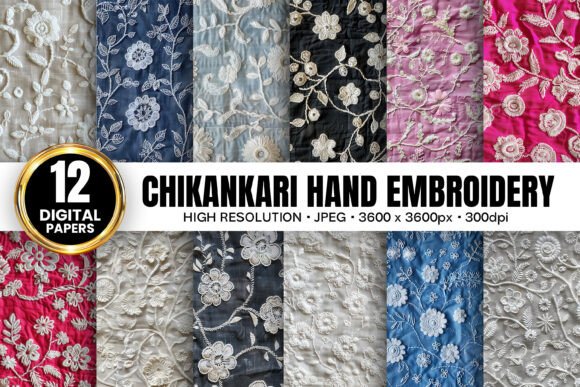
Chikankari Patterns for Boutique Apparel Design
When planning my latest sweatshirt collection, I looked through countless embroidery files seeking something with both heritage and a fresh feel. The Chikankari Hand Embroidery Patterns from Creative Fabrica immediately stood out. As a designer, my first impression was of a delicate, feminine, and premium visual personality. The patterns carry a classic stitching mood, but the high-resolution detail level gives them a modern decorative strength perfect for elevated casual apparel.
A Visual Fit for Modern Boutique Collections
The intricacy of these patterns feels inherently premium, yet their seamless nature makes them adaptable. They don't scream "traditional" in a way that might limit your audience; instead, they offer a timeless, trendy elegance. For my planned collection of neutral sweatshirts and pastel hoodies, this is exactly the aesthetic I wanted: soft, detailed, and unmistakably handmade in spirit.
Applying Patterns to Sweatshirts and Hoodies
For sweatshirt embroidery, particularly on the chest or as a sleeve accent, these patterns offer beautiful possibilities. Their density means they can act as a focal point without being overly bold. On a dark apparel piece, like a charcoal grey hoodie, the contrast would be stunning, creating a product that looks costly and carefully crafted. For oversized garments, a larger back design using one of the 12-inch patterns could be breathtaking.
The scale is also ideal for smaller placements. A single, refined motif on the chest of a t-shirt or the corner of a tote bag design instantly elevates a simple item into boutique merchandise. This versatility is crucial for small clothing brands and Etsy sellers building a cohesive line.
Practical Considerations for Production
While the visual appeal is strong, a professional embroidery designer must always consider execution. The detail in Chikankari Hand Embroidery Patterns means paying close attention to stitch density, especially on stretchy fabric like fleece or on ribbed fabric areas. For dark garments, thread color contrast becomes a key design decision—will you use traditional white or a contrasting pastel to modernize the look?
Where to Use These Patterns Carefully
On curved surfaces like hoodie pockets or along sleeve seams, the intricate patterns may require careful hooping and stabilizer choice to prevent distortion. I would avoid using the densest areas on very thin t-shirt fabric without testing, as the pull could cause wrinkling. Similarly, any tiny lettering or extremely fine lines embedded in the patterns should be evaluated for clarity on textured fabrics. My standard practice is always to test on scrap fabric first, using a similar garment fabric and testing different stabilizers.
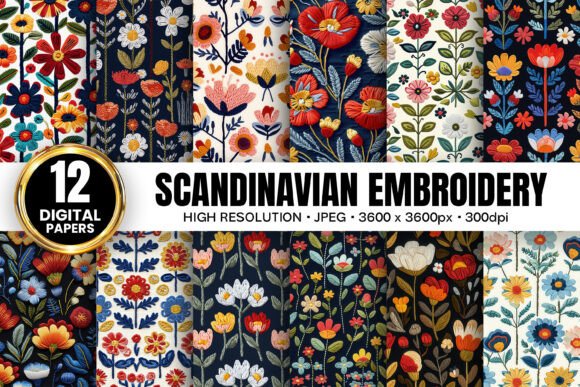
Before moving to production, confirming the hoop size needed for your chosen motif is essential. Since the product details specify JPG format at 300 DPI and 12-inch size, these are high-resolution digital papers perfect for creating printable mockups and planning your stitch layout. For actual machine embroidery, you would need to digitize these patterns into an embroidery file, a crucial step I recommend discussing with your digitizer or software.
Elevating Brand Identity and Product Value
Using a distinctive pattern like this consistently across a line—on sweatshirts, denim jackets, and tote bags—builds strong visual consistency for your brand. It creates product recognition and fosters buyer trust through a professional presentation. In lifestyle product photos and Etsy listings, such detailed embroidery photographs beautifully, enhancing customer engagement and signaling quality.
For commercial embroidery products, this pattern set offers a foundation for a cohesive collection. It affects apparel value directly; a basic sweatshirt becomes a specialty item. This transformation is key for handmade business owners and creative entrepreneurs competing in a crowded market.
Final Designer Notes Before You Start
My review process for any graphics or patterns involves a checklist. For Chikankari Hand Embroidery Patterns, I would:
- Review the Creative Fabrica product details and licensing thoroughly before selling finished apparel to ensure my use is compliant.
- Compare placement options on actual garment samples—sometimes a motif looks different on a flat mockup than on a draped hoodie.
- Inspect the stitch density I plan to use in my digitized file, ensuring it complements the fabric texture (e.g., softer on fleece, sharper on denim).
- Confirm the final thread palette to either honor the traditional Chikankari white-on-white mood or adapt it to my brand's color story.
Ultimately, this pattern set is a powerful tool for apparel decorators and small shop product lines. It provides a sophisticated, seamless foundation for custom apparel that feels both artistic and commercially viable. By integrating these patterns thoughtfully into your designs—mindful of fabric, placement, and execution—you can create a line that stands out for its craftsmanship and visual story, turning everyday sweatshirts and hoodies into cherished, cozy seasonal outfits.