Authentic Patterns for Modern Embroidery Projects
A First Impression of Visual Harmony
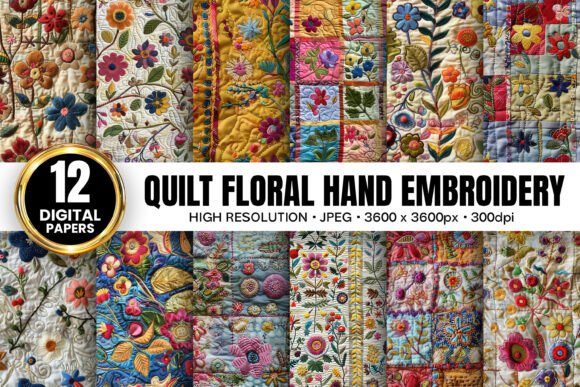
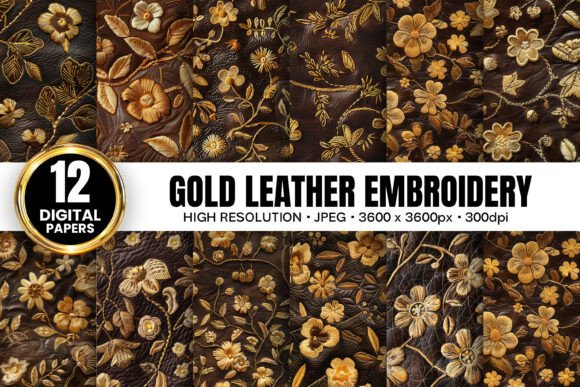
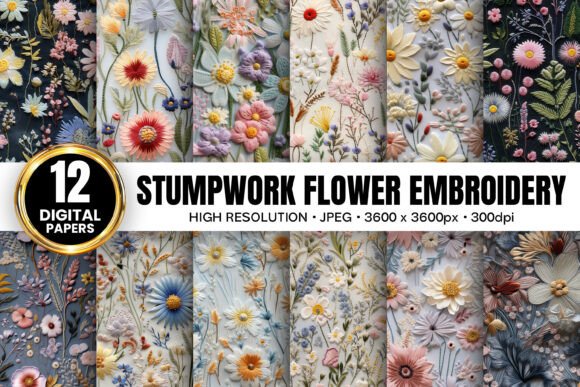
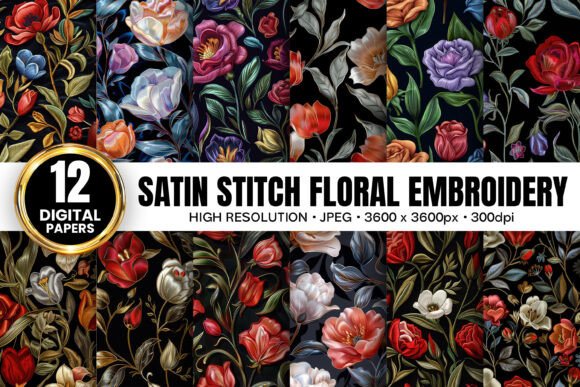
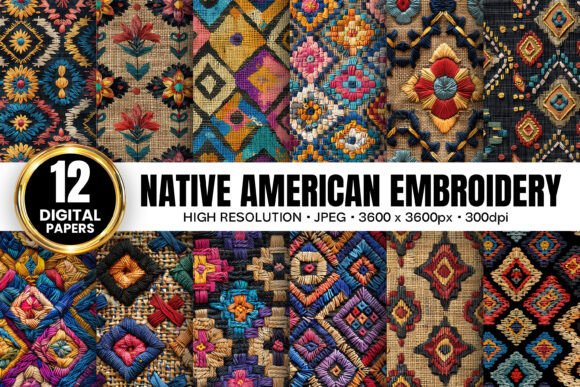
When I first opened the Native American Embroidery Patterns collection, the immediate feeling was one of balanced storytelling. These aren't just graphics; they are compositions rich with a sense of heritage and natural rhythm. The seamless nature of the patterns suggests a continuous flow, which is a fantastic foundation for embroidery work. The mood they create is grounded, respectful, and visually engaging—perfect for projects that aim to convey warmth and craftsmanship.
The level of detail within these patterns is substantial, yet the shapes and layouts are clear and defined. This is crucial for an embroidery designer. When a design moves from screen to stitch, overly intricate corners can become muddled. These patterns, however, appear to have a visual personality that is both ornate and structurally sound, suggesting they'll translate well into satin stitch and fill stitch areas without losing their character.
The Natural Home for These Embroidery Designs
In my mind, I instantly pictured these patterns adorning a custom embroidered tote bag or a linen pillow cover. They possess a decorative weight that feels appropriate for home goods and apparel meant to last. For a small shop owner creating boutique kitchen towels or a crafter preparing a personalized wedding gift, these designs elevate the item from a simple handmade product to a piece of art.
I also envisioned them on a heavyweight sweatshirt or a denim jacket patch. The patterns’ thematic strength would resonate well in custom apparel, offering a unique alternative to more common graphic themes. For baby embroidery on a special blanket or nursery decor, select elements from these patterns could be beautifully isolated to create a softer, focused motif, avoiding an overwhelming density of stitch work on smaller items.
Where They Shine and Where to Proceed with Caution
These Native American Embroidery Patterns are going to perform excellently on stable, medium-to-heavyweight fabrics. Think canvas tote bags, apron fronts, and quilted pillow covers. The high-resolution source files promise good clarity when digitizing or using as a reference, which is a boon for creating a professional finished product.
However, an experienced designer's eye notes areas for careful consideration. On stretchy fabric like a standard t-shirt, the stitch density required to render these detailed patterns faithfully might need adjustment to prevent puckering. Embroidering on dark fabric will demand a thoughtful thread color palette to maintain contrast and visibility. Likewise, curved surfaces like caps present a challenge for any pattern with broad, continuous elements; the design might need to be adapted or scaled to fit the curvature without distortion.
Tiny, intricate corners within the patterns should be inspected closely during the digitizing or hand-stitching planning phase. On textured fabrics like a thick blanket, some finer lines might benefit from being simplified to a running stitch for clarity. The key is to treat these graphics as a superb blueprint, but always adapt the embroidery file to the specific project's physical demands.
The Impact on Your Craft Business and Customer Trust
Using a design with this level of cultural and aesthetic integrity directly affects your product's perceived value. For an Etsy seller or a creative entrepreneur at a craft fair, items featuring these patterns won't look generic. They carry a narrative, which enhances customer engagement and can make a holiday gift or a small shop merchandise item feel specially curated.
This authenticity builds customer trust. It shows you've sourced meaningful design assets. For brand consistency, if your handmade shop revolves around natural themes or artisanal quality, these patterns could become a core part of your visual identity. Their giftability is high—they feel like a considered choice, not a last-minute purchase.
Practical Notes from the Embroidery Studio
Before committing to a commercial embroidery project, always test. Run a sample on scrap fabric of the same type you'll use for the final product. Check thread color contrast against both light and dark backgrounds—these patterns likely contain areas that will need different palettes for different fabrics.
Review the stitch density in your digitized version. The provided JPG files are high-resolution guides, but the final stitch count and machine embroidery file parameters are up to you and your equipment. Confirm your intended hoop size can accommodate the design scale you desire. Inspect the small details in a black and white mockup; this helps isolate potential problem areas where stitches might merge visually.
Never underestimate the importance of proper stabilizer for a design with this visual density. It is essential for maintaining stitching clarity, especially on apparel that will undergo frequent washing. Finally, as with any digital embroidery file, confirm the licensing terms for this product before selling finished items. The description states it's a graphics collection, so clarify whether your use for commercial embroidery projects, like selling embroidered patches or baby clothes, is permitted.
Embracing the Pattern as a Project Partner
Ultimately, the Native American Embroidery Patterns collection feels like a robust toolkit for a serious maker. They aren't fleeting trends; they are timeless graphics that, when stitched with care, result in products with depth. Whether you're an apparel decorator working on a client's custom order or a hobbyist creating a personalized gift, these patterns demand a thoughtful approach but reward you with a distinctive outcome.
They invite you to consider color, scale, and application with a designer's eye. In a real-life scenario, preparing an embroidered tote bag for a boutique, I would select a pattern element that complements the bag's size, perhaps focusing on a central motif rather than the full seamless repeat. I would choose thread colors that honor the pattern's origins while ensuring they pop against the bag's material. The final product would tell a story—of craftsmanship, of cultural appreciation, and of your skill as an embroidery designer. That's the true value of starting with a design asset of this caliber.