A Designer's Honest Review of the Pink Floral Jute Embroidery Pattern
When a new embroidery design lands on my desk, I look at it through the lens of real projects. It’s not just about whether it’s pretty; it’s about whether it will stitch out beautifully, resonate with a customer, and elevate a finished product. Today, I’m thinking through the Pink Floral Jute Embroidery Patterns collection from that exact perspective.
The First Impression: A Warm, Textured Charm
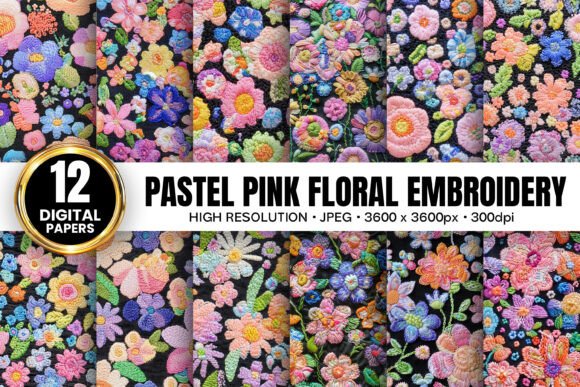
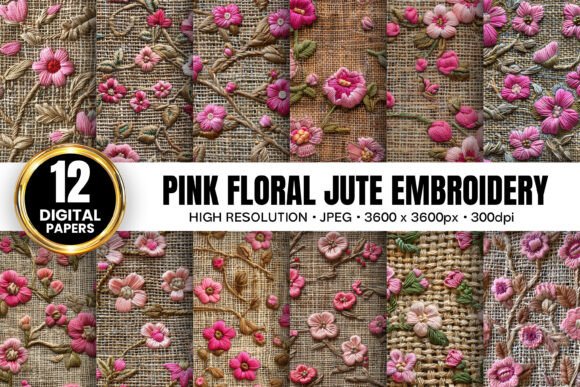
Opening the set of 12 high-resolution digital papers, the immediate mood is softly rustic and inviting. The pink floral motifs against that jute-like background create a warmth that feels both handmade and contemporary. The layout is seamless, which is a huge practical advantage. This isn't a single, isolated graphic; it's a repeatable pattern. That means it's perfect for larger areas or borders—think along the bottom of a tea towel or across the front of a pillow cover. The level of detail in the floral elements is thoughtful; it’s illustrative without being overly intricate, suggesting it will translate well into stitches without becoming a dense, thread-heavy nightmare.
Where This Pattern Naturally Belongs
My mind immediately goes to specific projects. This pattern has a certain giftable quality. It would be stunning on a custom embroidered tote bag for a friend, bringing a touch of boutique-style personality to a simple canvas bag. For small business owners, especially those focusing on home goods or nursery decor, this pattern could define a product line. Embroidered onto a blanket or a pillow cover, it creates a cohesive, branded look. The pink florals are gentle enough for baby items—like a sweet motif on a romper—but the textured jute background gives it enough sophistication for adult apparel, like a detailed accent on the cuff or pocket of a linen shirt.
Performance on Real-Life Products
Let’s walk through a scenario. Say I’m an Etsy seller preparing a batch of embroidered kitchen towels for a holiday market. Using one of these Pink Floral Jute Embroidery Patterns as a border design, I’d consider a few things. The 3600 x 3600 pixel resolution (at 300 DPI) means the design file is high-quality, crucial for maintaining crisp lines when my embroidery software processes it. On a light-colored towel, the pink florals will pop beautifully. I’d likely use a combination of satin stitches for the flower outlines and fill stitches for the larger petals, with the jute background potentially rendered with a clever running stitch texture to mimic the weave.
For apparel decorators, this pattern could become a standout feature on a sweatshirt. A larger, centered motif would work, but I’d be mindful of the fabric. On a stretchy knit, proper stabilizer is non-negotiable to prevent distortion, especially with a pattern that has a repeated, structured feel like this one. The design’s seamless nature also makes it a fantastic candidate for commercial embroidery projects, like a series of custom aprons for a boutique café, where consistency across multiple items is key.
Caution Zones: Where to Use With Care
Every design has its ideal applications and its trickier ones. For these patterns, the charm lies in the detail and the repeat. That means on very small hoop sizes, some of the finer floral elements might lose their clarity—test a small section first. On textured fabrics like a thick wool blanket, the jute pattern effect might get lost; a smoother cotton or linen would showcase it better.
Working on dark fabric presents a classic challenge. While the pattern itself is lovely, the pink florals would require careful thread color selection for contrast. A deep pink or even a coral might stand out better than a pale blush on a navy background. This is a pattern where I’d strongly advise creating a simple black-and-white mockup first to check the contrast levels before committing thread. Also, on curved surfaces like caps, a seamless pattern might need to be adapted or used as a smaller, non-repeating section to fit the shape comfortably.
The Impact on Your Business and Craft
From a professional standpoint, using a cohesive, high-quality pattern like this affects more than just the stitch-out. For creative entrepreneurs, it boosts product value. A tote bag with a unique, well-executed floral border looks more premium than one with a generic, solitary motif. It builds customer trust through consistency—if they buy a towel and a pillow cover with the same pattern theme, it feels like a thoughtful collection. The handmade presentation is elevated because the design itself has an artful, intentional feel.
For digital product sellers, these patterns as graphics are excellent assets for creating printable mockups or previews for your own embroidery file listings. They help a potential buyer visualize the final embroidered product, which drives engagement. Always, confirm the licensing terms of the original graphics before using them in sold finished items or derived digital products, but their high-resolution nature makes them a solid foundation for professional presentation.
A Designer's Practical Notes Before You Hoop
Before running this Pink Floral Jute Embroidery Patterns design on a machine, here’s my checklist:
- Always test on scrap fabric first. This reveals how the stitch density feels and if any small details need adjustment.
- Review the design in your embroidery software. Check the actual stitch count and hoop size requirements it generates; the provided JPG is a graphic, not an embroidery file, so you’ll be creating or using a digitized version.
- Plan your thread palette. The pink tones in the graphic suggest a range; you might choose a single shade or create depth with two or three related pinks.
- Consider the final product’s life. If it’s for a kitchen towel or baby item that will need frequent washing, consider a tighter, more durable stitch type for the main elements.
- For commercial use or selling finished products, double-check that your intended use aligns with the license of both this pattern graphic and your eventual embroidery file.
In essence, the Pink Floral Jute Embroidery Patterns offer a versatile, warm starting point. They spark ideas for personalized gifts and small shop merchandise. Their real value is unlocked by how you apply them—with thoughtful fabric choice, careful stitching, and an eye for the product they’ll become. In my hands, they’d likely become a series of embroidered pillow covers for a local craft fair, each one feeling uniquely handmade but part of a charming, cohesive set. That’s the practical power of a good pattern: it works for you, and for your customer.